What is Documentary Wedding Photography
and How I Approach Your Wedding Day
What Makes Documentary Wedding Photography Different?
Most people spend months planning their wedding day. But the day itself? It's gone in hours. What remains are the photographs, and the question is what kind of photographs those will be.
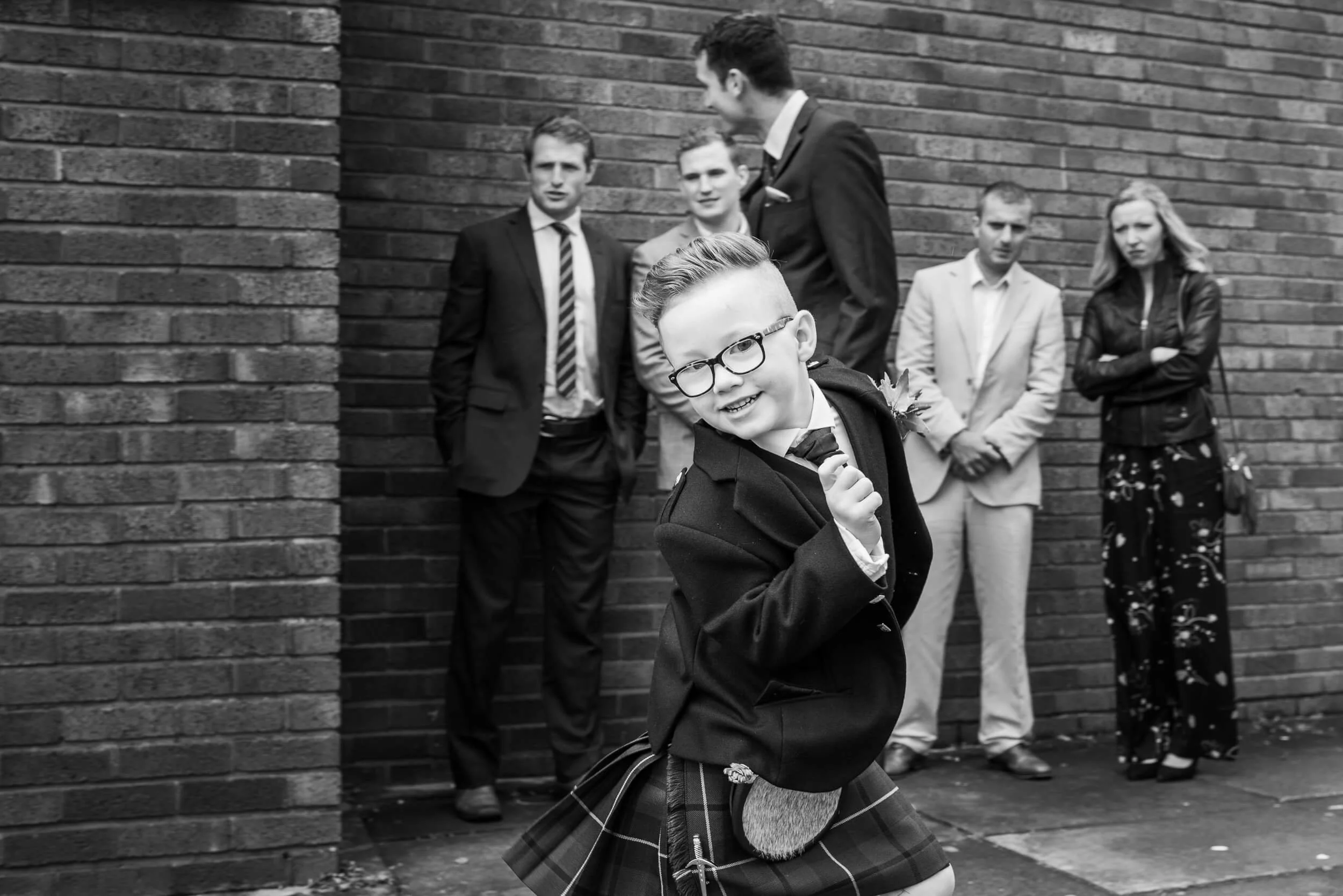
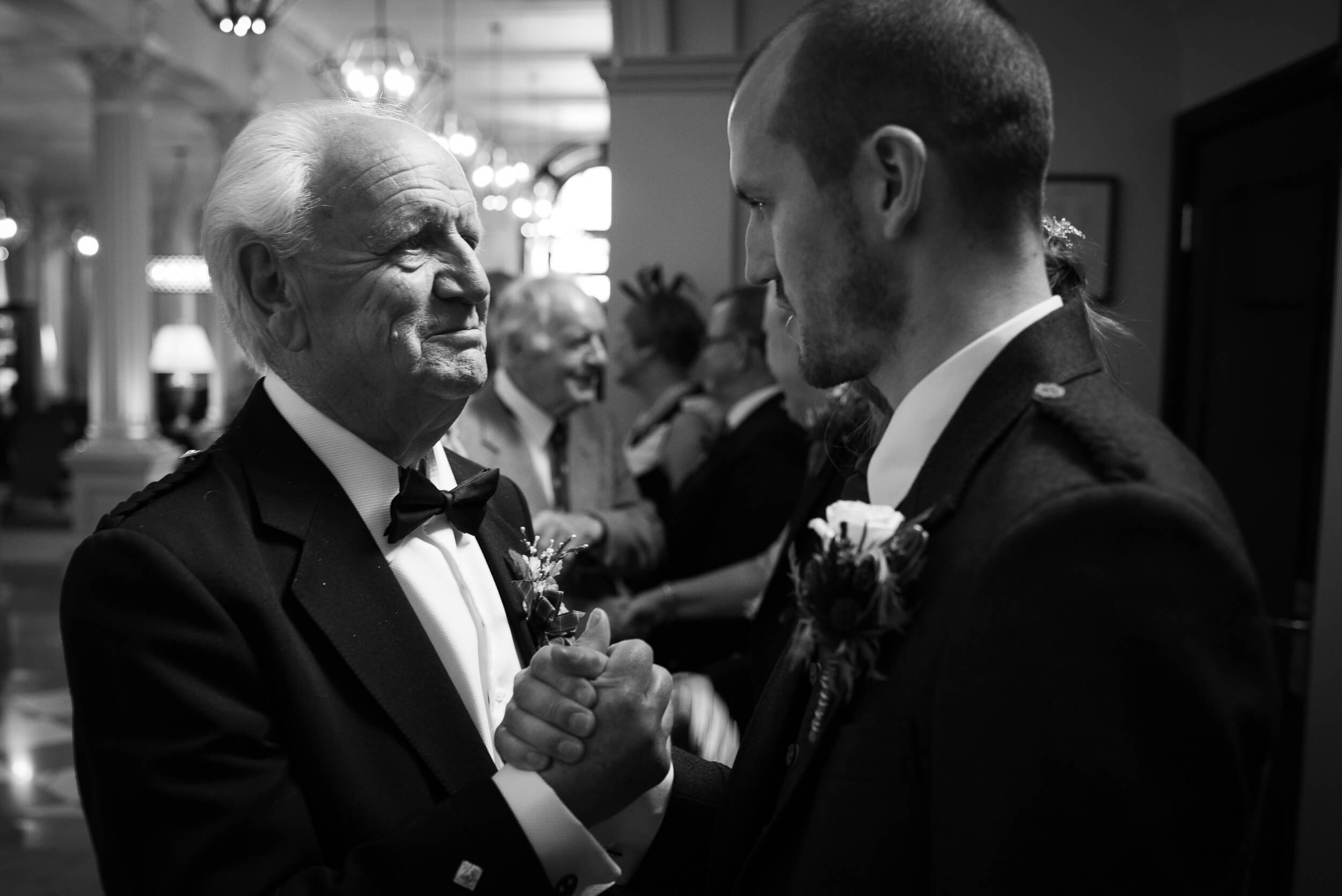
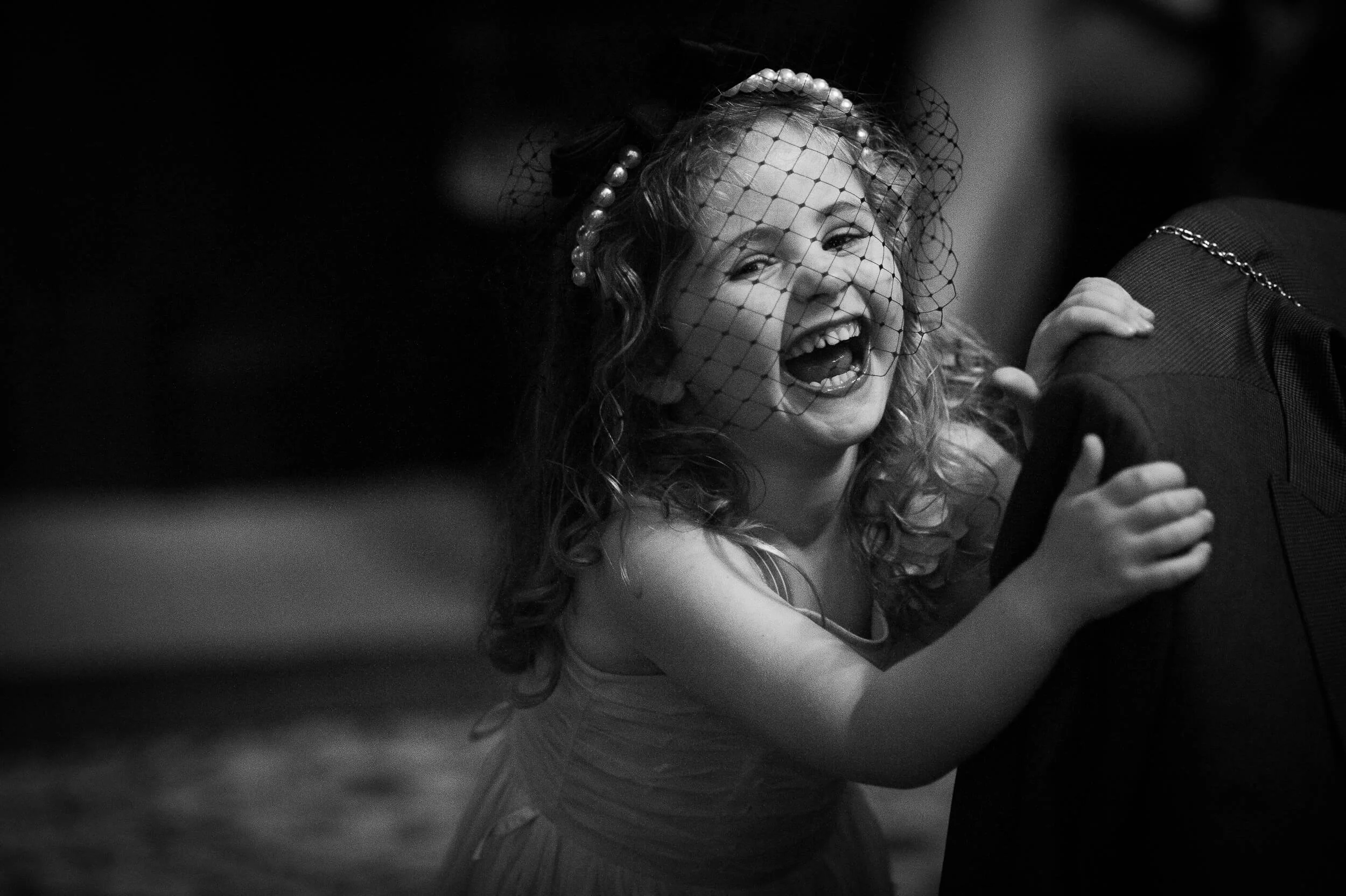
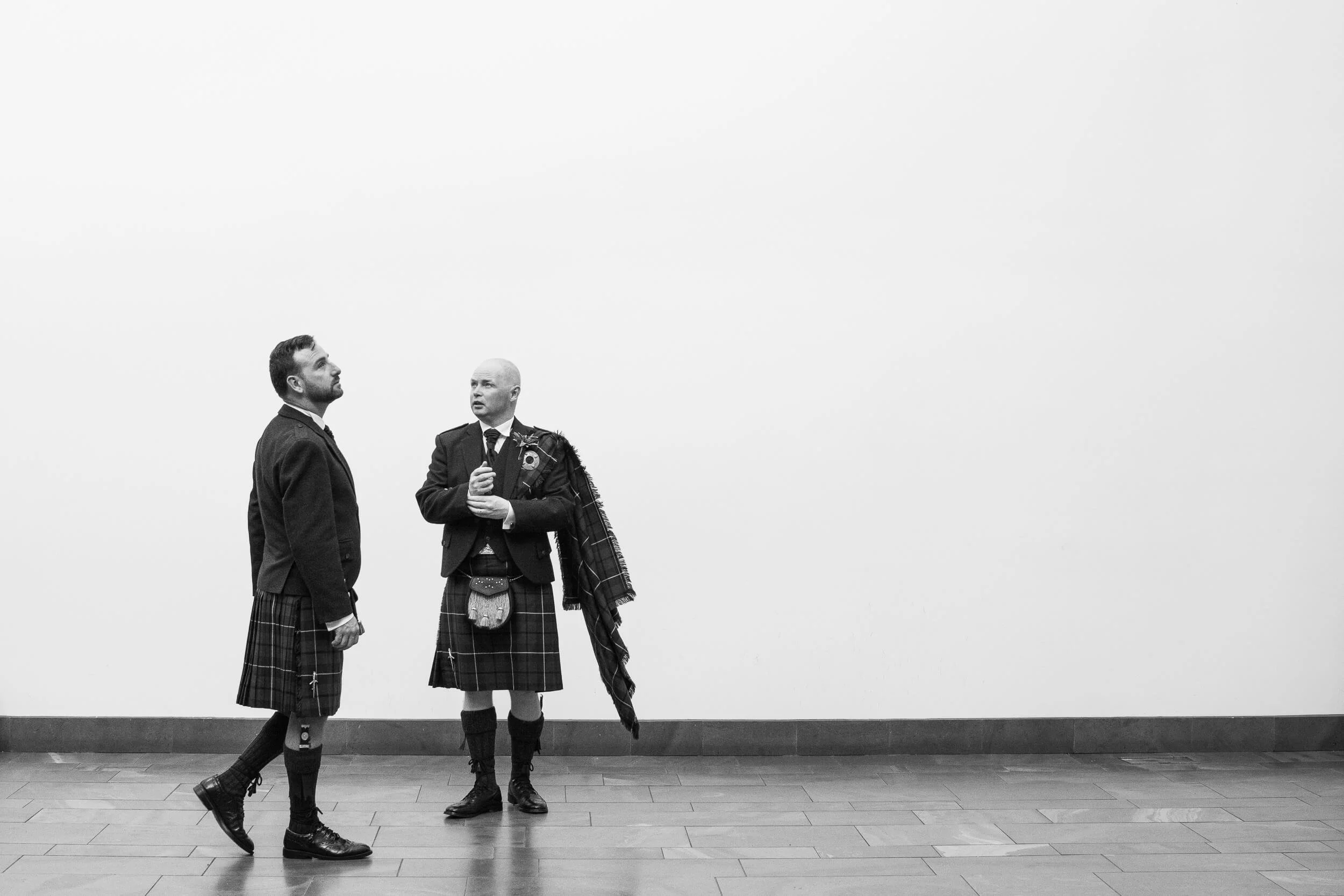
Documentary wedding photography is about recording your wedding as it actually happens, without direction, without posing, without interrupting the moment to create one. It draws from the tradition of photojournalism: the photographer observes, anticipates, and captures. Nothing is staged.
Those photographs show how the day looked. Documentary photography shows how it felt.
As a member of the Wedding Photojournalist Association (WPJA), the leading organisation for documentary wedding photographers worldwide, this is the standard I hold myself to.
What does this mean for your wedding day?
Couples often tell me the same thing after the wedding: the day went so fast they barely remember it. The photographs are what bring it back.
No instructions. No "stand here, look there." On your wedding day, the last thing you need is someone adding to the pressure.
Working quietly and staying invisible means your guests behave naturally, your emotions stay real, and the moments that matter most happen without interruption. The nervous laugh before the ceremony. The first reaction when you see each other. The dancing that gets out of hand at midnight.
These are the photographs you will look at in thirty years and feel something, not just recognise faces.
What to expect practically?
Every wedding is different, but here is how a typical day looks.
No lengthy portrait sessions. A short time set aside for immediate family groups, around fifteen minutes, and that is it for formal photographs. The rest of the day is yours to actually live.
The final gallery is delivered in black and white. Not as a trend, but as a deliberate choice, black and white removes distraction and focuses attention on what matters: expression, light, and emotion. Photographs edited this way don't date. They look as powerful in fifty years as they do today.
Is documentary photography right for you?
This approach works best for couples who trust the process. Who wants their wedding day to feel like their wedding day, not a photoshoot with
a wedding attached.
It is not for everyone. If you have a long list of specific shots you need, or if posed portraits are important to you, some excellent photographers specialise in exactly that.
But if you want photographs that are honest, emotional, and made to last, this is how I work.
My approach is rooted in the same tradition as the great documentary photographers, people like Henri Cartier-Bresson, who believed that the camera should witness life, not interrupt it.
Ready to talk about your wedding?
No sales pitch. Just a conversation about your day, what you're planning, what matters to you, and whether we're a good fit.
FAQs
Do you take group photographs?
Yes, if you'd like them. A short time is set aside during the day for family groups and any specific shots that matter to you. This is the one moment where I'll take a more directed approach. The rest of the day is pure documentary.
Do you shoot in black and white only?
No, but black and white is at the heart of my style. It removes distraction and keeps the focus on what matters: expression, light, and emotion. The majority of your gallery will be black and white, with colour where it adds to the story. If you'd prefer a fully black and white gallery, that's something I offer too — just let me know.
Will our guests know they're being photographed?
Most won't, not until they see the gallery. Working quietly and staying in the background is the whole point.
Do we need to prepare anything before the wedding?
If you'd like group photographs, a short list of the shots that matter to you is helpful, it keeps things moving and makes sure nobody is missed. Beyond that, nothing. No poses to practice, no schedule to follow. The less you think about the camera on the day, the better the photographs will be.
Is documentary photography suitable for shy people
It's actually ideal. There's nothing to perform, and no one is asking you to smile. The camera is just there, and the photographs reflect who you actually are.
We're not based in Scotland — can you still photograph our wedding?
Absolutely. A significant part of my work is with couples travelling to Scotland from abroad, particularly from the United States. If you're planning a destination wedding or elopement in Scotland, get in touch, and we'll work out the details together.
Have a question that's not answered here? I'm happy to help. - Contact me