Getting Married in Scotland as an American Couple?
Planning a wedding in Scotland? I photograph weddings and elopements for American couples from Edinburgh Castle to the Highlands,
helping you navigate every step from the US.
Everything you need to know about planning your Scottish wedding from the US
Quick Overview for your Wedding in Scotland
Planning a wedding in Scotland from the U.S
It can feel exciting and perhaps overwhelming at the same time. I have photographed weddings for American couples across Scotland — from Edinburgh's Old Town to remote Highland locations — and I know the questions you are likely asking right now. This page is here to help you find the answers.
Why do so many American couples choose Scotland to get married?
Scotland offers something that very few wedding destinations can match. The landscapes are dramatic and cinematic — rugged mountains, ancient castles, wild coastlines and ever-changing light. For many American couples, Scotland is also personal. A significant number of Americans have Scottish or Irish ancestry, and choosing Scotland as a wedding destination is a way of connecting with that heritage in the most meaningful way possible.
Beyond the scenery and the history, Scotland is also a surprisingly practical choice. Many Scottish cities have direct flights from the US, the legal process for foreign couples is straightforward, and the country has a well-established network of wedding suppliers who are experienced in working with international couples.
Can American couples legally get married in Scotland?
Yes. American couples can legally get married in Scotland. To do so, you will need to give notice to a Scottish registrar at least 29 days before your wedding date. You will also need to provide certain documents, including valid passports and, if either of you has been previously married, evidence that the previous marriage has ended.
In most cases, American couples travelling to Scotland specifically to marry will need to apply for a UK Marriage Visitor Visa before they travel. This is separate from a standard visitor visa, so it is worth checking the requirements early in your planning.
For full and up-to-date legal guidance, visit Getting Married in Scotland on mygov.scot.
Do we need a wedding planner to get married in Scotland from the US?
Not necessarily. Many American couples successfully plan their Scottish wedding without a dedicated planner by working directly with local suppliers — a venue coordinator, a celebrant, and a photographer who knows the area well. That said, if you are planning a larger wedding with many guests travelling from the US, a local planner can take significant pressure off the logistics. For smaller, more intimate weddings, the supplier network in Scotland is well-used to working with international couples and can guide you through the process.
Scotland's marriage laws are uniquely flexible — couples can legally marry almost anywhere, from a hilltop to a castle courtyard to a private beach.
For American couples, this freedom is one of Scotland's greatest advantages as a wedding destination. Here are six regions that consistently draw international couples, each offering something distinct.
Where could American couples get married in Scotland?
-
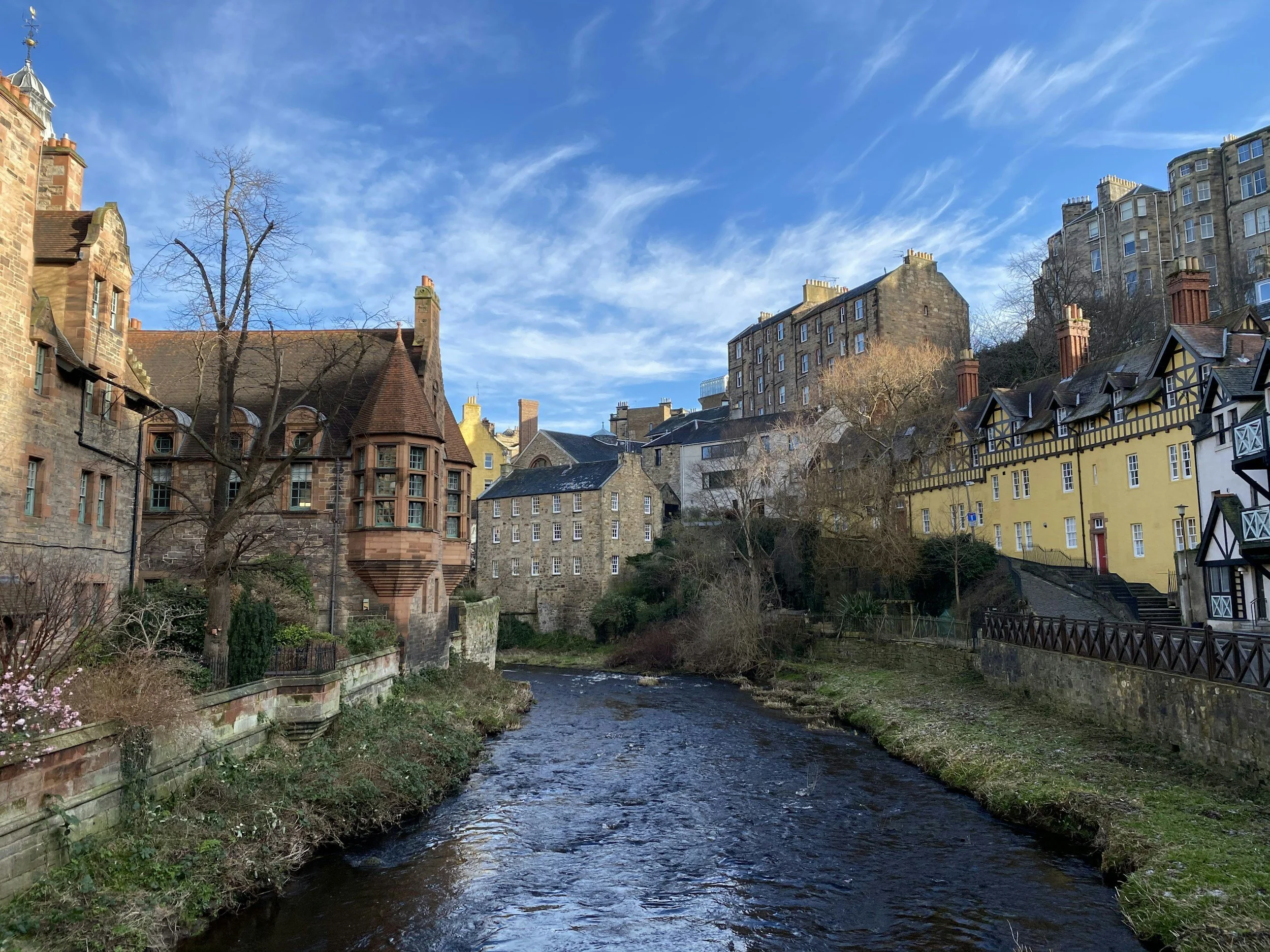
Edinburgh and the Lothians
Edinburgh is the natural starting point for many American couples. The city offers historic venues, easy airport access with direct flights from several US cities, and a wealth of experienced wedding suppliers. Beyond the city itself, the Lothians provide coastal venues and country estates within easy reach.
-
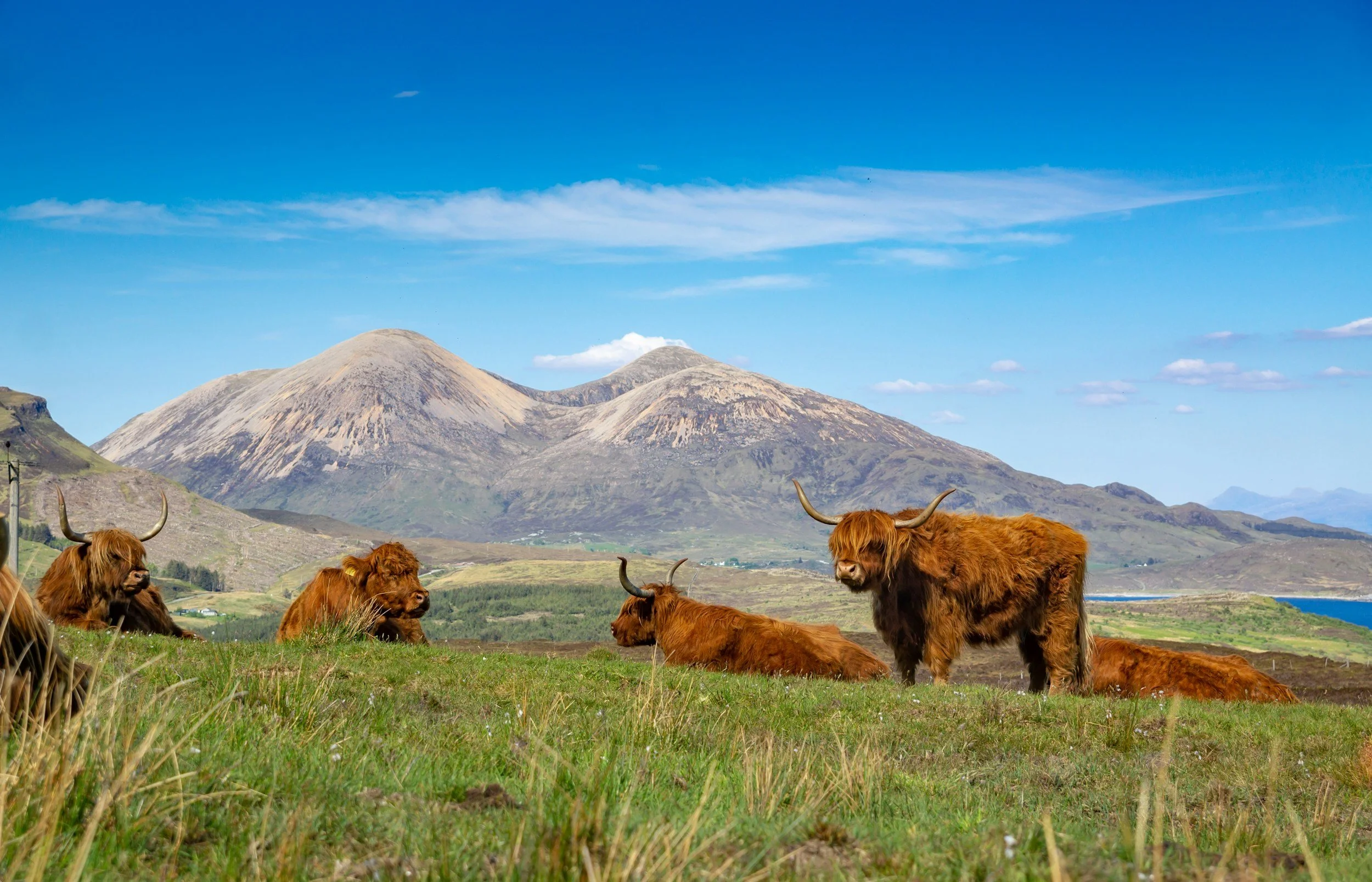
The Scottish Highlands
The Highlands are what most Americans picture when they dream of a Scottish wedding — vast mountain landscapes, ancient glens and dramatic skies that change by the hour. I have travelled the NC500 route through the Highlands and the scenery is genuinely unlike anywhere else in the world. Venues here tend to be remote and exclusive, which suits couples looking for something truly private and cinematic.
-
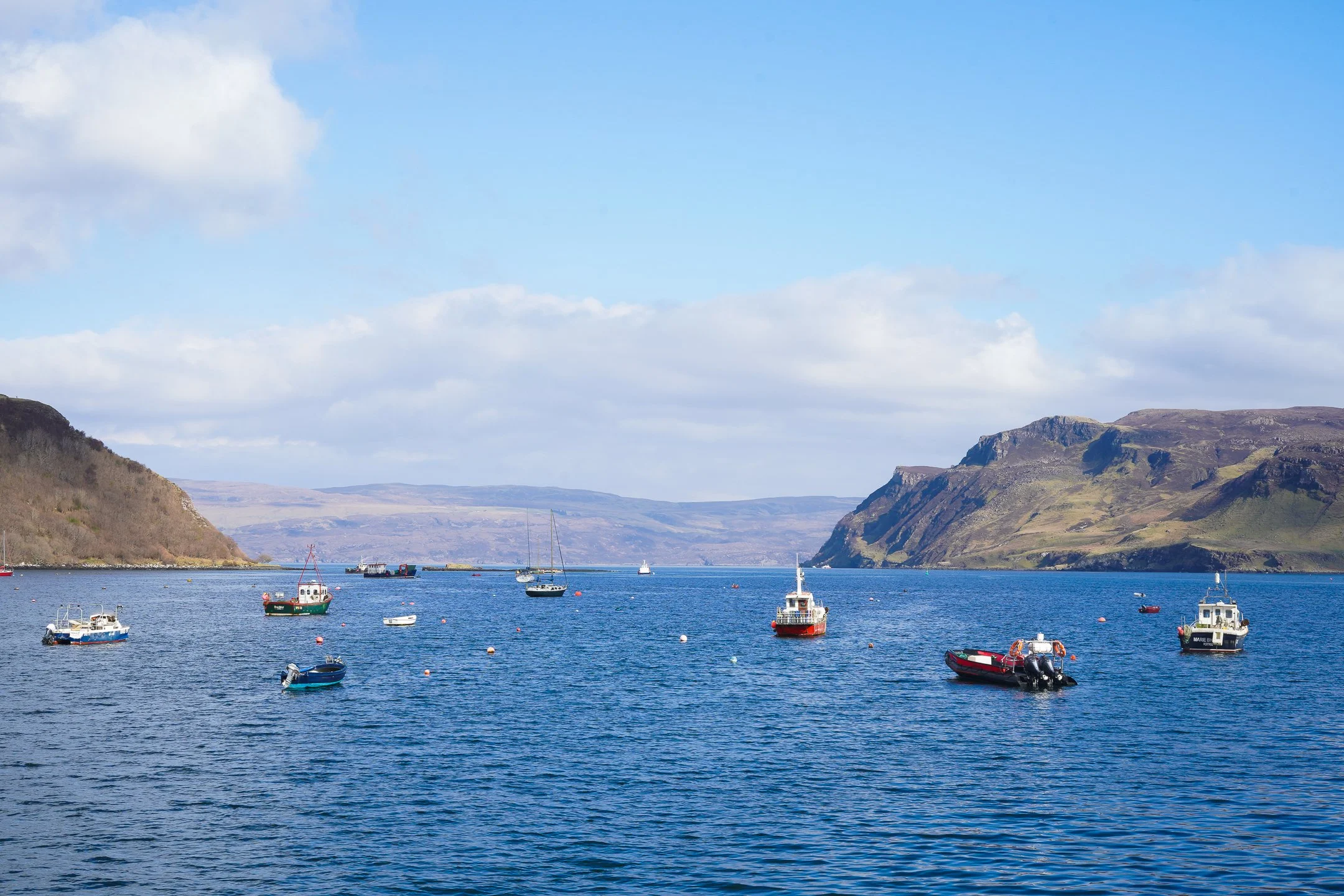
Isle of Skye and the West Coast
Skye is extraordinary. The combination of ancient rock formations, sea cliffs, hidden lochs and ever-present mist creates a landscape that feels genuinely otherworldly. It is a longer journey from the airports, but couples who make it there are rarely disappointed.
-
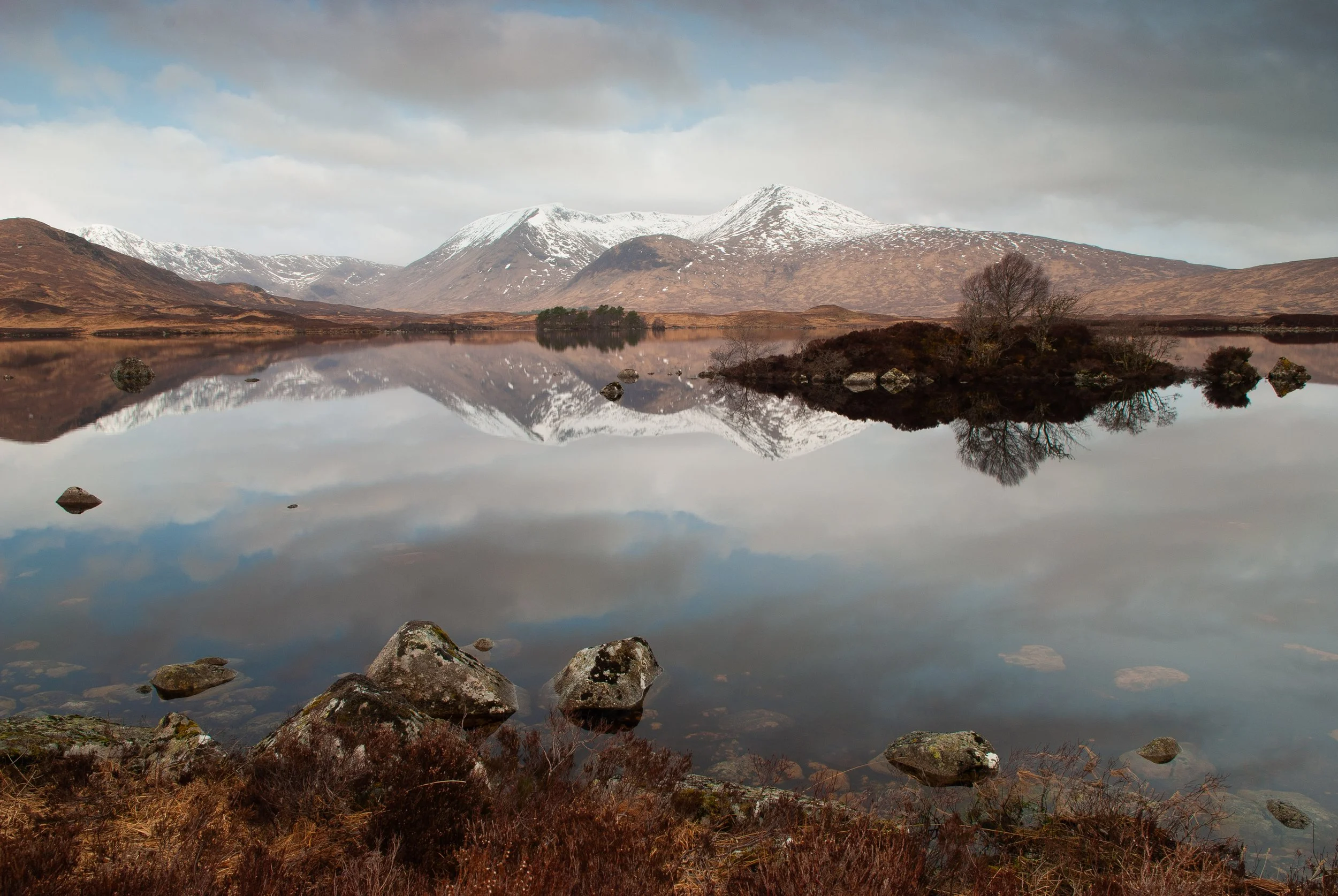
Glencoe and Loch Lomond
Glencoe is one of the most dramatic landscapes in Scotland — a deep glacial valley surrounded by towering mountains with a real sense of history and atmosphere. Loch Lomond, just to the south, offers a softer but equally beautiful setting with loch-side venues and easy access from both Edinburgh and Glasgow.
-
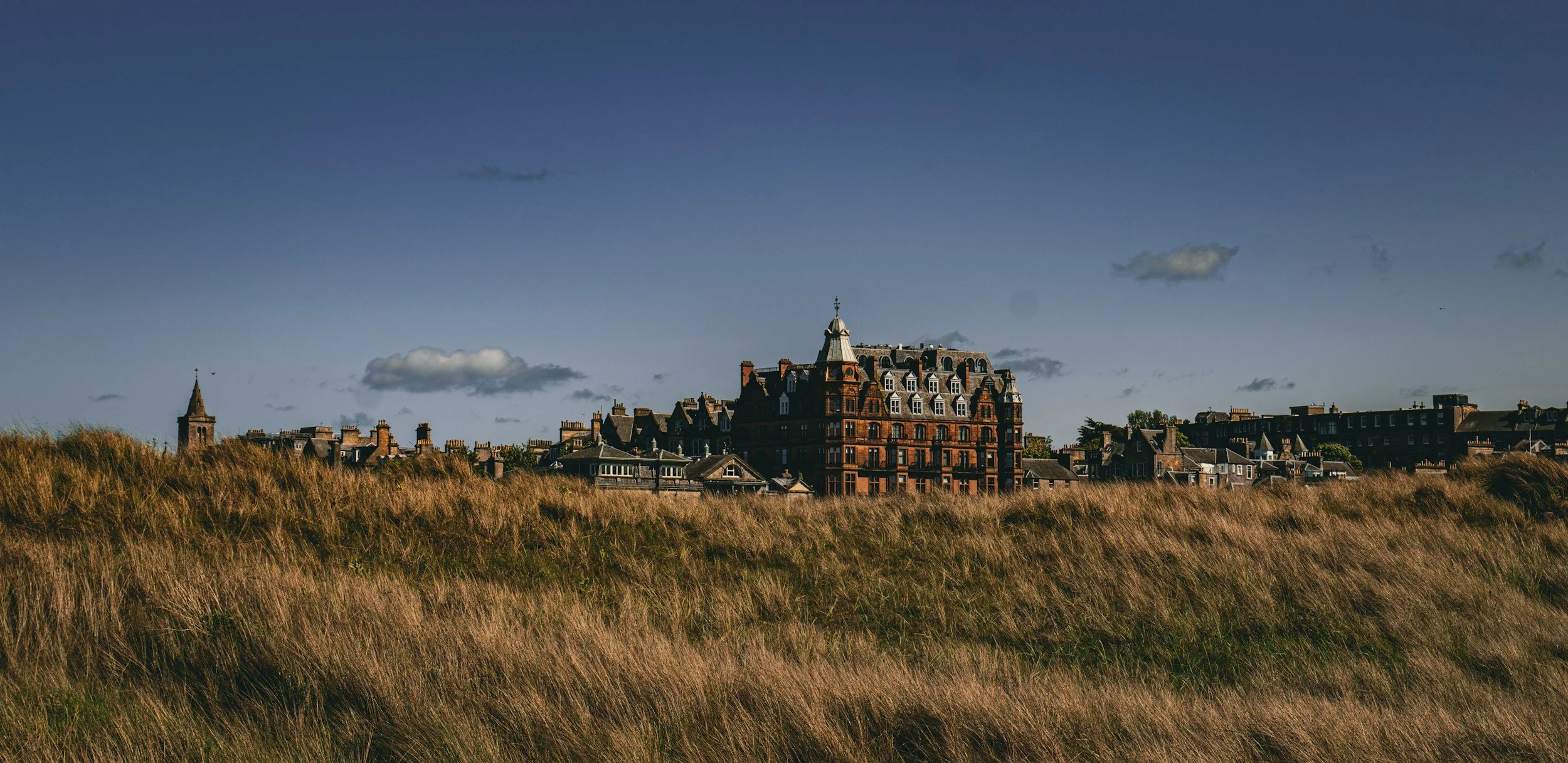
St Andrews and the East Coast
St Andrews is well known internationally, particularly among American visitors, and the surrounding Fife coastline offers some of Scotland's finest coastal wedding venues. The combination of university town charm, golf heritage and sea views makes this region popular with couples who want Scotland's character without the remoteness of the Highlands.
-
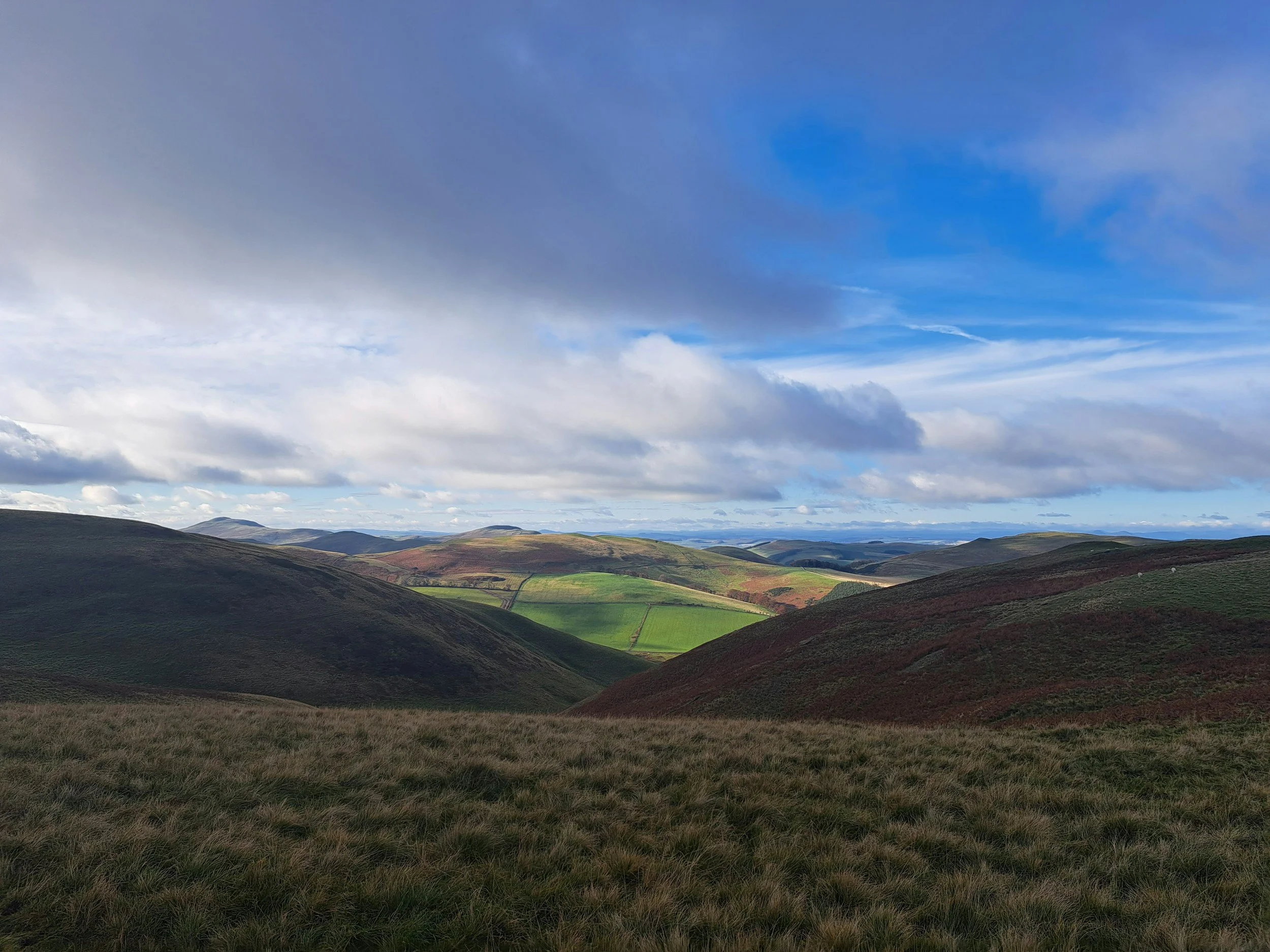
The Scottish Borders
Less visited than the Highlands but quietly beautiful, the Borders offer castle venues, rolling hills and a sense of old Scotland that feels unhurried and personal. For couples who want something more intimate and away from the well-trodden tourist trail, this region is well worth considering.
Planning Your Wedding in Scotland — What You Need to Know
There are several practical things to consider when planning a wedding in Scotland from the US. The good news is that Scotland is well set up for international couples and the process, while it requires some planning, is straightforward once you know the steps.
-
Most American couples will need to apply for a UK Marriage Visitor Visa before travelling to Scotland to marry. This should be applied for at least three months before your travel date. You will also need to submit a marriage notice to the local registrar no earlier than three months and no later than 29 days before your wedding date. Each partner submits their own form, along with valid passports and any relevant divorce or death certificates if previously married. For full details visit mygov.scot/getting-married.
-
Scotland's most popular wedding season runs from late spring through early autumn — May to September — when daylight hours are long and the landscapes are at their most lush. Summer weddings offer the best chance of dry weather, though Scotland is famously unpredictable regardless of season. Autumn brings stunning colours and a moodier atmosphere that suits documentary photography particularly well. Winter weddings are increasingly popular for couples wanting dramatic skies and a quieter, more intimate feel.
-
Scotland's marriage laws allow ceremonies to take place almost anywhere — indoors or outdoors, in a castle, on a hilltop or by the sea. Your choice of location will affect everything else: travel logistics for guests, the type of venue available, and the overall atmosphere of your day. Edinburgh and the central belt are the most accessible. The Highlands and islands are more remote but offer unmatched scenery.
-
A destination wedding in Scotland typically costs between £15,000 and £50,000 depending on guest numbers, venue and the level of suppliers involved. Smaller, more intimate weddings with fewer guests can be significantly less. Key costs to factor in include venue hire, celebrant or registrar fees, catering, accommodation for guests, photography, and travel. Visa fees are currently £127 per person for the Marriage Visitor Visa.
-
Scotland has a well-established network of wedding suppliers experienced in working with international couples — venues, celebrants, florists, caterers and photographers. Most are accustomed to communicating across time zones and managing bookings remotely. It is worth booking key suppliers, especially venues and photographers, at least 12 months in advance as popular dates fill quickly.
-
Several US cities have direct or one-stop flights to Edinburgh and Glasgow, including New York, Chicago, Boston and Philadelphia. Edinburgh Airport is the main international gateway and is well connected to the rest of Scotland by road and rail. If you are planning to travel to more remote areas such as the Highlands or Isle of Skye, hiring a car is strongly recommended as public transport options are limited.
Frequently Asked Questions
Getting Married in Scotland as an American Couple
Is our Scottish marriage legally recognised in the United States?
Yes. If you follow the legal process in Scotland correctly and your marriage is registered with the Scottish registrar, it is generally recognised as valid in the United States. It is worth checking the specific requirements of your home state after returning.
Do we need witnesses for our wedding in Scotland?
Yes. Scottish law requires two witnesses aged 16 or over to be present at the ceremony and to sign the marriage schedule. For smaller weddings, your photographer or celebrant can act as a witness if needed.
Can we get married outdoors in Scotland?
Yes — this is one of Scotland's most significant advantages over other destination wedding countries. Legal ceremonies can take place almost anywhere: a hillside, a beach, castle grounds, a forest clearing or a private estate. You are not restricted to licensed venues, provided you have an authorised celebrant or registrar present and permission from the landowner where relevant.
Can we have a humanist ceremony in Scotland?
Yes. Humanist ceremonies are legally binding in Scotland and are particularly popular with international couples. They allow for a highly personal ceremony and can take place virtually anywhere outdoors. The Humanist Society Scotland maintains a list of approved celebrants.
Can we have a religious ceremony in Scotland?
Yes. Scotland recognises civil, religious and belief ceremonies, giving couples a wide range of options. Church of Scotland services can be held anywhere the minister approves. Roman Catholic ceremonies must take place in a place of worship in regular use, and at least one partner must have been baptised in the Catholic faith. Couples of other faiths are also welcome — Scotland's approach to religious marriage ceremonies is notably open and flexible compared to many other countries.
What documents do we need to bring to Scotland?
Both partners will need valid passports, birth certificates, and proof of any previous marriages having ended — a divorce decree or death certificate. If any documents are not in English, a certified translation is required. Your registrar will confirm the full list when you submit your marriage notice. American couples may also need a certificate confirming no record of marriage exists in the US.
Do we need to speak to a registrar before booking our venue?
Yes, and it is worth doing this early. The registrar in the district where you plan to marry needs to approve your arrangements and confirm all legal requirements are in order. Contacting them before you finalise your venue booking avoids complications later.
Can we visit Scotland before the wedding to see venues?
Yes, and it is highly recommended if your schedule allows. Many couples plan a scouting trip 12 to 18 months before the wedding to visit venues and meet suppliers in person. If travel is not possible beforehand, most Scottish venues and photographers are well used to working with international couples entirely remotely.
Is there a minimum age to get married in Scotland?
The minimum age to marry in Scotland is 16, and unlike in England and Wales, no parental consent is required. Both parties must be free to marry — not currently married or in a civil partnership — and capable of understanding and consenting to the marriage.
Can we incorporate Scottish traditions into our ceremony?
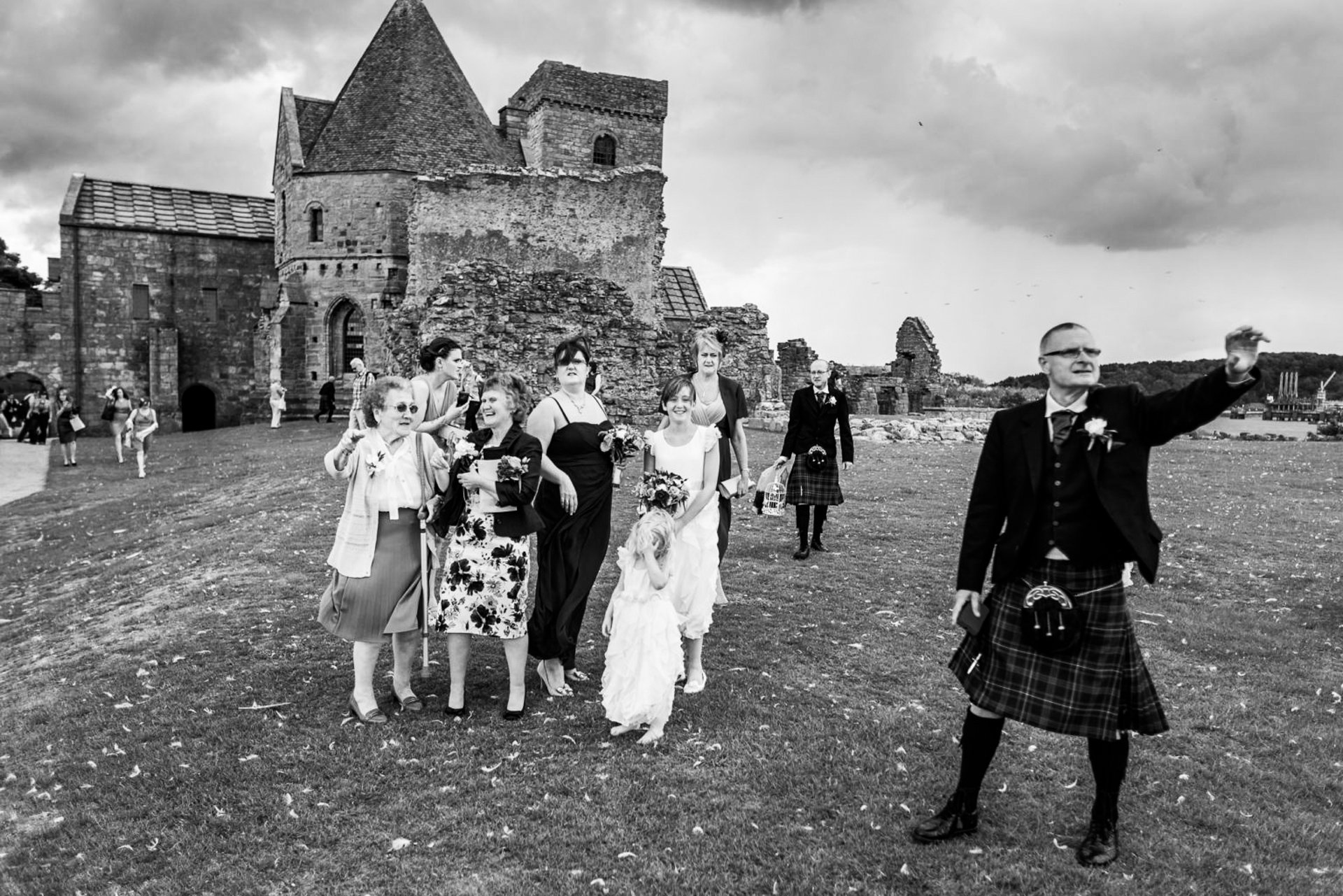
Absolutely. Many American couples with Scottish heritage choose to include traditions such as handfasting — the symbolic tying of hands with ribbon or tartan — a quaich toast, bagpipes, or the wearing of kilts. These can all be arranged through your celebrant or local suppliers.
If you would like to explore my photography further, feel free to check out the stories below:
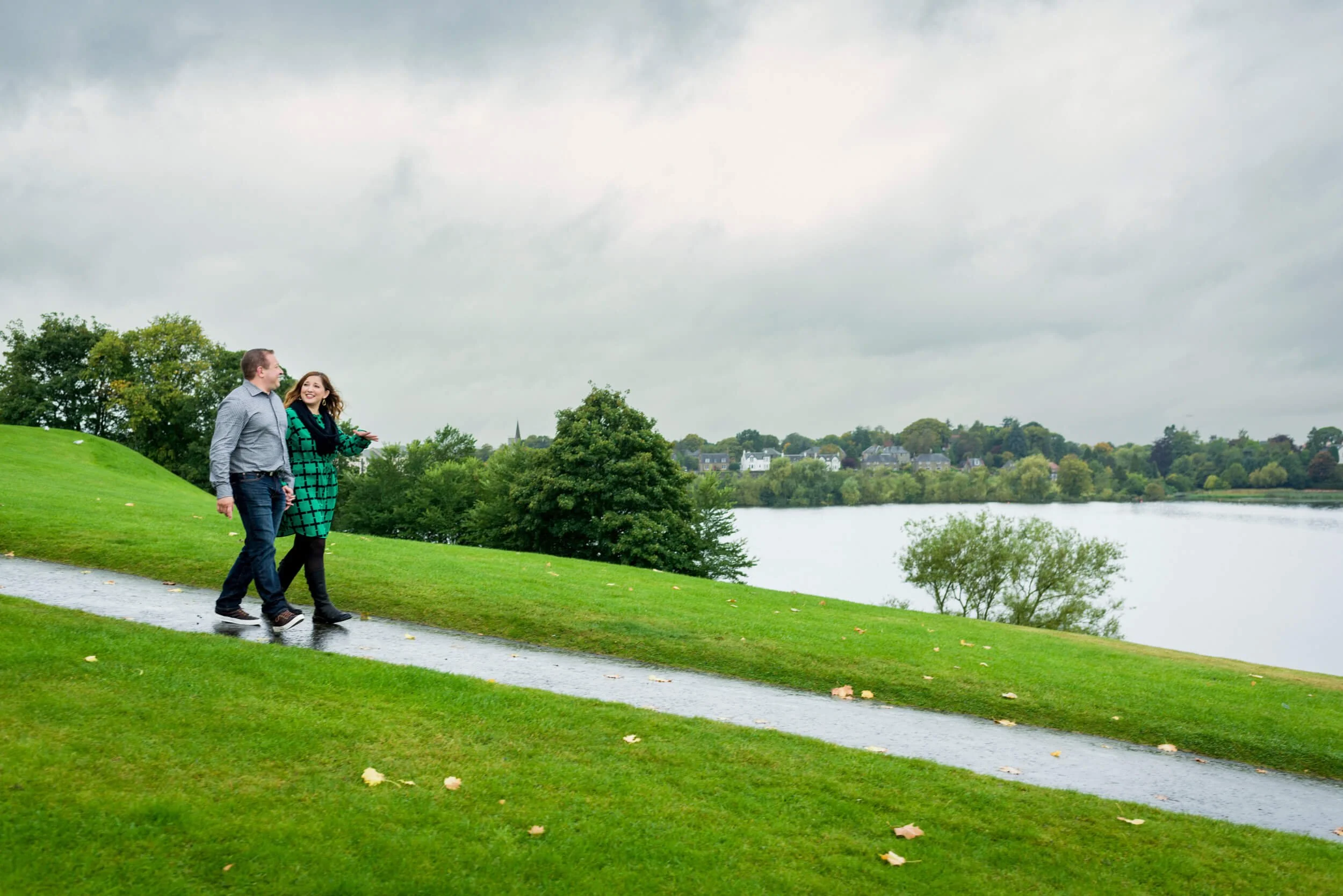
Tamson has Scottish roots. Marc flew in from the States. They chose Edinburgh Castle. This is their story.